


Custom Shade Nets: Colors, Sizes & Branding Options for OEM Projects
- tonguangropes
- Oct 8, 2025
- 6 min read
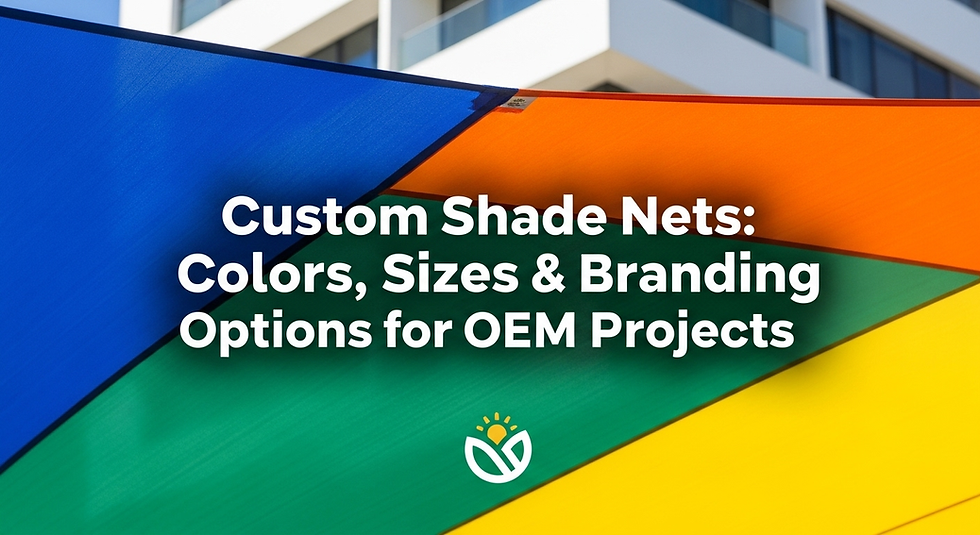
In today’s competitive commercial and agricultural sectors, customization is no longer a luxury but a necessity. Businesses want products that not only perform efficiently but also align with their brand identity and project requirements. Shade nets are a great example of this trend. Once used primarily for basic agricultural shading, they are now vital components across industries, including horticulture, construction, logistics, and event management.
For companies dealing in large-scale projects or OEM partnerships, choosing the right custom shade nets can make a significant difference. From color selection and size customization to branding options, every detail contributes to how the final product performs and represents your business. This guide explores how customization works, what options are available, and how it can elevate your OEM projects to new levels of efficiency and professionalism.
The Growing Demand for Custom Shade Nets
Modern industries are more specialized than ever before. Greenhouse operators, contractors, and construction firms all have specific environmental and branding needs. A one-size-fits-all approach no longer works.
Customization in shade nets allows businesses to control several important factors, including:
Light and heat management based on crop or material requirements.
Aesthetic and color coordination for commercial and public spaces.
Size and shape flexibility to fit unique installations or large-scale areas.
Brand identity integration through printed logos and color schemes.
Whether used to protect crops from harsh sunlight, provide privacy for construction sites, or enhance outdoor event spaces, customized shade nets offer both functional and promotional advantages.
Color Customization: More Than Just Looks
Color selection in shade nets is not purely an aesthetic choice; it directly affects performance. Different colors absorb and reflect sunlight differently, which can change temperature, light penetration, and even the overall environment beneath the net.
1. Functional role of colors
Green and black: Commonly used in agriculture because they balance shade and airflow, reducing plant stress without blocking too much light.
White or silver: Reflects sunlight, keeping areas cooler. Ideal for greenhouses and nurseries in warmer regions.
Beige, blue, or red: Used for specific horticultural effects, like encouraging certain types of growth or providing visual appeal in landscaping projects.
2. Branding advantage In OEM projects, color consistency matters for brand recognition. If a company’s identity is tied to a specific color palette, having shade nets produced in those colors enhances visual coherence. Construction firms, event organizers, and retailers often prefer branded colors to strengthen their corporate image on-site.
3. Durability in pigments High-quality pigments are crucial. Industrial-grade UV-stabilized colors prevent fading under constant exposure to sunlight, maintaining the net’s professional look and effectiveness for years.
Size and Shape Customization for Every Application
No two projects are the same, and neither should their shade nets be. From small urban gardens to massive agricultural fields or industrial complexes, size and shape customization is essential for efficiency and proper coverage.
1. Standard and oversized options While standard rolls and panels work for smaller setups, large OEM buyers often require tailor-made nets. Custom sizes ensure easy installation and minimize the need for cutting or overlapping during application, which can weaken the net structure.
2. Custom shapes for unique installations Some projects demand specific shapes, such as trapezoids, ovals, or irregular cuts to fit domes, terraces, or sloped surfaces. Precision cutting and reinforced edging make these custom shapes practical and durable.
3. Reinforcements and borders Custom nets can be equipped with reinforced edges, metal grommets, or heavy-duty borders to facilitate mounting and improve wind resistance. This is particularly useful in industrial and construction settings where durability and safety are priorities.
4. Modular configurations For large facilities or multi-section agricultural zones, modular net systems allow quick installation, removal, and repositioning. This approach reduces downtime and labor costs while maintaining flexibility.
Branding Options for OEM and Industrial Buyers
One of the biggest advantages of working with a professional shade net manufacturer is the ability to integrate your company’s branding into the product itself. This not only enhances recognition but also reflects professionalism and attention to detail.
1. Logo printing and embossing OEM partners can request printed or embossed logos on the nets, either as repeating patterns or placed strategically for visibility. This is especially effective for construction companies or event organizers who want their branding to be visible across large outdoor areas.
2. Custom packaging and labeling Beyond the net itself, packaging can be customized with company colors, product labels, and barcodes. Branded packaging helps during distribution, ensuring that your brand remains visible throughout the supply chain.
3. Tagging and private labeling For distributors and wholesalers, private labeling options allow the product to be marketed under your own brand. This helps create a distinct identity in the market and builds long-term brand value.
4. Color-matched branding Aligning the net color with your corporate theme creates visual consistency. This is particularly relevant for public or promotional installations where appearance matters just as much as performance.
Material Options for Custom Shade Nets
The choice of material defines how the net performs under different environmental conditions. A customized approach allows buyers to select materials based on strength, flexibility, and application type.
1. High-Density Polyethylene (HDPE) The most common material for commercial-grade shade nets, HDPE offers excellent UV resistance, durability, and flexibility. It can be easily colored, cut, and reinforced according to project requirements.
2. Monofilament vs Tape Yarn Monofilament nets provide higher strength and better airflow, ideal for windy environments. Tape yarn versions, on the other hand, offer more shade coverage and are better for crops sensitive to sunlight.
3. Coated or laminated options Coated shade nets are often used in construction and logistics where extra dust protection or moisture resistance is needed. The coating can also enhance print quality for logos and branding.
4. Fire-retardant materials For indoor installations or projects that prioritize safety, fire-retardant materials can be requested to meet specific compliance standards.
Advantages of Custom Shade Nets for OEM Projects
Customization adds value to every stage of your project lifecycle. Here are some of the top benefits for OEM and bulk buyers:
Increased operational efficiency – Pre-cut and pre-sized nets save time and labor during installation.
Brand visibility – Custom colors and printed branding make your company stand out on every project site.
Improved product compatibility – Tailored designs fit perfectly into your existing systems and structures.
Enhanced durability – Reinforcements, UV protection, and high-quality materials increase lifespan.
Reduced waste – Custom sizing minimizes leftover materials and supports sustainability goals.
In industries where time, safety, and presentation matter, these advantages directly translate into long-term cost savings and improved client satisfaction.
Working with the Right Manufacturing Partner
To ensure reliable quality and smooth production, it is essential to collaborate with an experienced shade net exporter who understands the complexities of OEM manufacturing. A seasoned partner can provide flexible customization options, timely bulk deliveries, and material recommendations suited to your target markets.
Look for suppliers that offer:
Advanced production facilities with quality control systems.
In-house design and customization support.
Global logistics and export experience.
Compliance with international safety and durability standards.
Such partnerships ensure you receive consistent quality, professional branding, and competitive pricing for large-scale or recurring orders.
Maintenance and Longevity Tips
Even the most durable shade nets require periodic care to maintain performance and appearance. Here are a few tips to extend their lifespan:
Regular inspections – Check for tears, loose edges, or frayed stitching, especially after storms or high winds.
Proper cleaning – Use mild detergents and avoid abrasive chemicals. Dirt and residue can reduce UV protection over time.
Secure storage – When not in use, store nets in a dry, shaded area to prevent unnecessary wear.
Re-tensioning – For permanent installations, ensure tension is checked regularly to avoid sagging.
Consistent maintenance will not only keep your shade nets functional but also preserve their visual appeal and brand presentation.
Final Thoughts
Custom shade nets bring together functionality, branding, and design flexibility for modern OEM and commercial projects. They help businesses create efficient shading systems while maintaining a consistent brand identity across multiple sites. From tailored colors and unique sizes to logo printing and packaging customization, the possibilities are nearly endless.
By working with a reliable supplier, you can secure premium-quality materials, dependable customization options, and timely deliveries to meet project deadlines. Whether your goal is to protect crops, create privacy, or enhance aesthetics, custom shade nets offer a professional and practical solution that aligns with your business vision.


Comments